Starting from August 15th, power banks have ushered in new regulations. Under the norms of these new regulations, the quality and safety of battery packs have attracted much attention. When people choose power banks, they often pay attention to their durability. Do you know why battery packs are durable? Behind this, lithium battery testing equipment plays a key role. In the precise process of lithium battery manufacturing, the two key processes of formation and grading directly determine the safety and durability of the battery. These technical links hidden in the production line are the secrets of the longevity of high-quality battery packs.
Formation: The "First Charge of Life" for Batteries
Formation is the first charging process after lithium batteries are injected with electrolyte, which will form an SEI film (Solid Electrolyte Interface film) on the surface of the negative electrode. This nano-film allows lithium ions to pass through but blocks electrons, preventing the continuous decomposition of the electrolyte, which can be called the "source of life" of the battery.
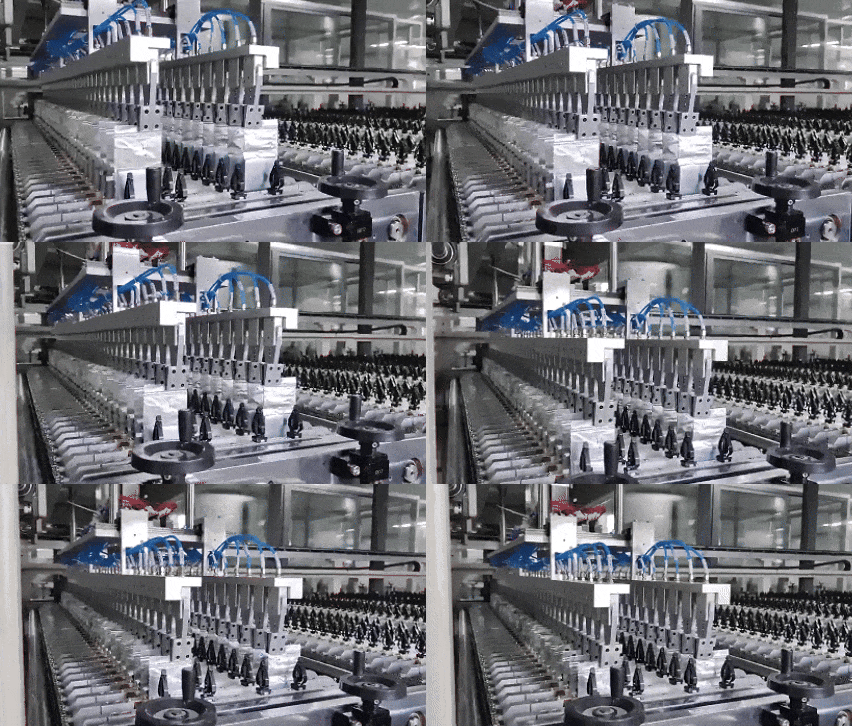
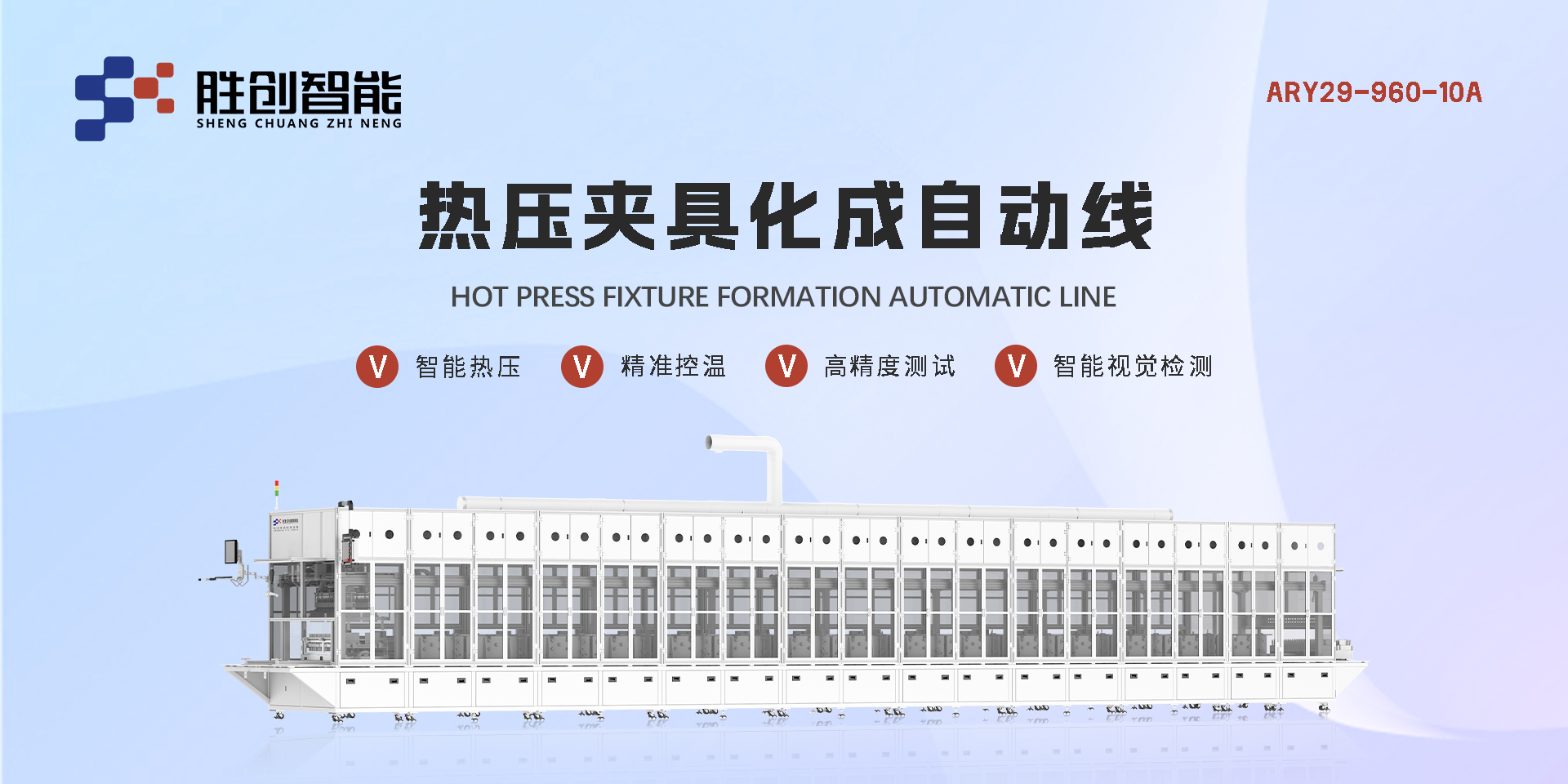
Advanced formation technology has developed from normal temperature natural infiltration to high-temperature hot-press formation technology: in a high-temperature environment of 50-80℃, combined with 0.1-0.5MPa pressure, it accelerates the infiltration of electrolyte into the electrode sheet. This "temperature-pressure" synergistic effect shortens the formation time by 20%-40%, and the formed SEI film is more dense and uniform, increasing the battery cycle life by 10%-15%.
For special forms such as cylindrical batteries, the industry innovatively adopts negative pressure formation process: stepwise low-current charging (0.01C-0.2C gradually increasing) is carried out in a vacuum environment, combined with three intermittent charging and standing, to achieve deep infiltration of the winding core and greatly improve the interface stability.
Grading: The "Examiner" of Battery Performance
he grading stage is a process of accurately calibrating the actual capacity of the battery. According to the requirements of T/CASMES 75-2022 standard, battery charge discharge testers need to control charge and discharge with high precision (current accuracy up to ±0.1%), and record parameters such as charge-discharge curves and internal resistance in combination with SQL database.
The innovative process adopts a three-stage process of "discharging—charging—discharging to 10-30% battery level", and estimates the graded capacity through fitting, which greatly shortens the test time. After grading, the batteries need to be left standing at room temperature for 7-15 days, and the defective batteries with excessive self-discharge are screened out through voltage drop monitoring. Battery Sorting Machine operate efficiently in this link, with a rejection rate of 5%-10%.
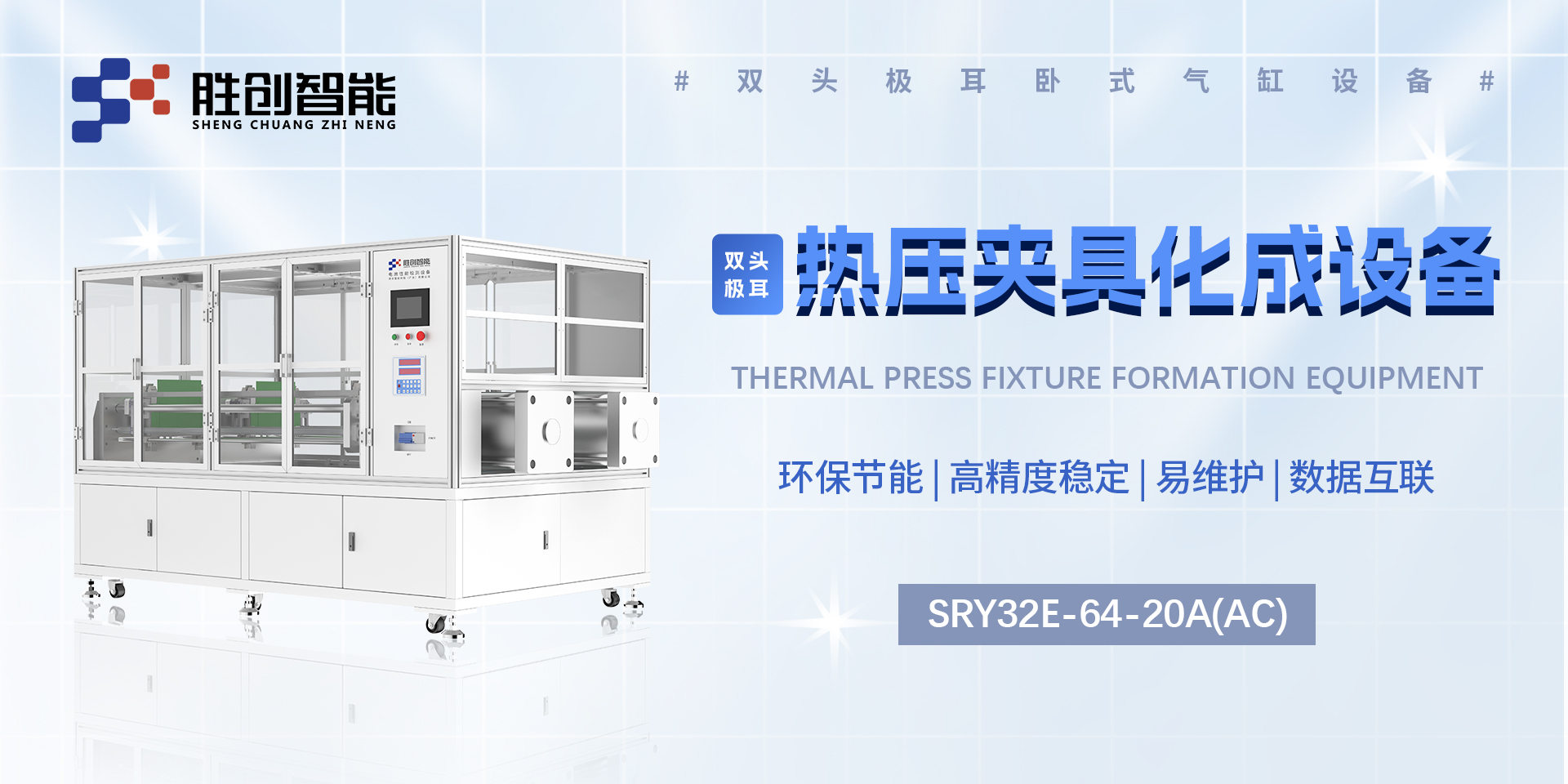
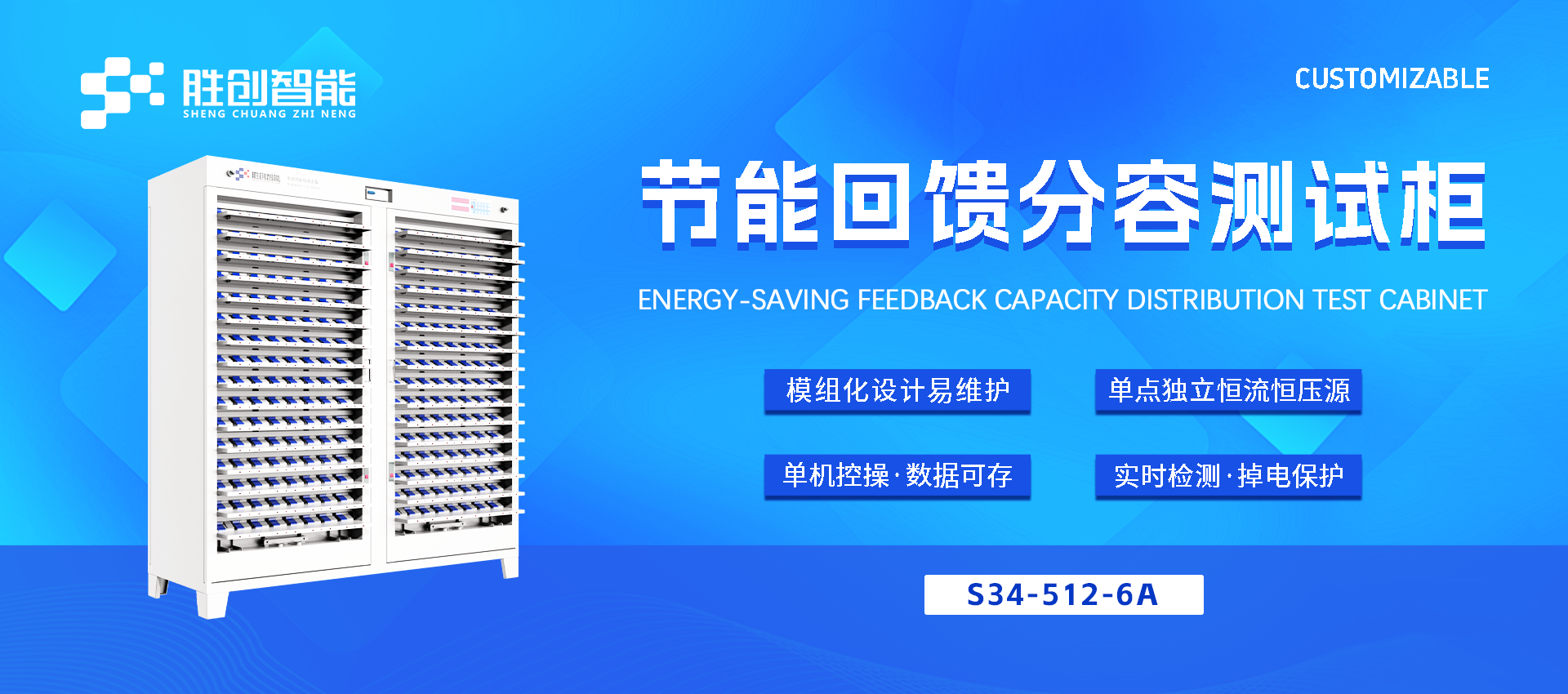
The accuracy of formation and grading equipment directly determines the consistency of the battery pack. After the implementation of the new national standard, intelligent formation cabinets equipped with AI temperature control algorithms, pressure closed-loop control (accuracy ±0.5MPa) and IoT monitoring, in cooperation with other core devices in lithium battery testing equipment, have become the standard configuration of leading battery factories.
3C certification is not only a market pass, but also a certification for the whole life cycle process of batteries. Those batteries that are "strong in physique" during the formation and grading stage will eventually become safe and reliable power banks in the hands of users—behind this is the durable gene accumulated from each accurate charge-discharge test.