

In the era of the new national standards, equipment safeguards the safety baseline of lithium batteries.

The official implementation of the "Safety Technical Specifications for Electric Bicycles" (GB 17761—2024) on September 1, 2025, along with two battery safety standards, marks the entry of the two-wheeler lithium battery industry into an era of "strict safety thresholds." In this technological revolution, lithium battery formation and capacity testing equipment, as a core link in the production chain, is reshaping the industry's competitive landscape through three major dimensions:
A leap in safety performance: From passive screening to active prevention and control.
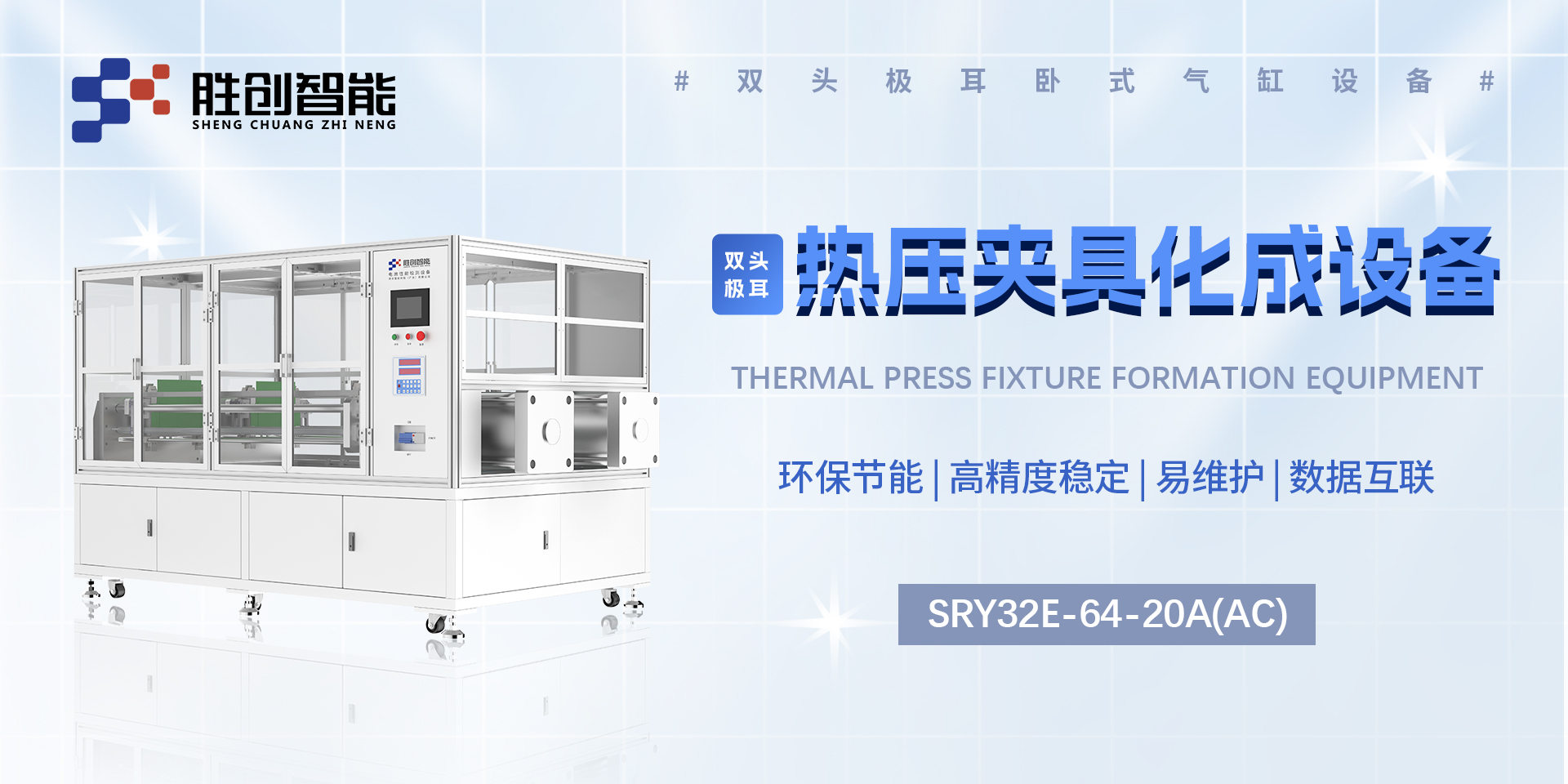
The new national standards require that batteries must pass extreme tests such as nail penetration and thermal propagation, which pose unprecedented challenges for cell production. Leading industry equipment addresses this by employing high-temperature hot-press formation technology. This technology accelerates the wetting of the electrolyte with temperatures ranging from 50 to 80℃ and pressures of 0.1 to 0.5MPa, reducing the formation time of the SEI film by 20% to 40% and improving the uniformity of its thickness by over 30%. This process directly responds to the new national standards' requirements for the intrinsic safety of batteries—by simulating the charging and discharging processes under extreme conditions, the equipment eliminates potentially defective cells at the production source, increasing the pass rate of the nail penetration test by over 30%.
In the capacity grading stage, EIS (Electrochemical Impedance Spectroscopy) detection technology has become a key breakthrough. The equipment uses a wide-band AC signal (from 0.1Hz to 200kHz) to precisely identify hidden defects such as micro-short circuits and electrode misalignment, with a detection accuracy of 99.5%. Taking a benchmark battery as an example, its achievement of a 2500-cycle life is inseparable from the equipment's precise capture of the cell capacity decay curve. After 1000 simulated cycles, cells with a capacity retention rate of over 90% are selected to ensure that the finished battery still meets the new national standards' requirements for cycle life during long-term use.
Accelerated technological iteration: Intelligence resolves industry pain points.
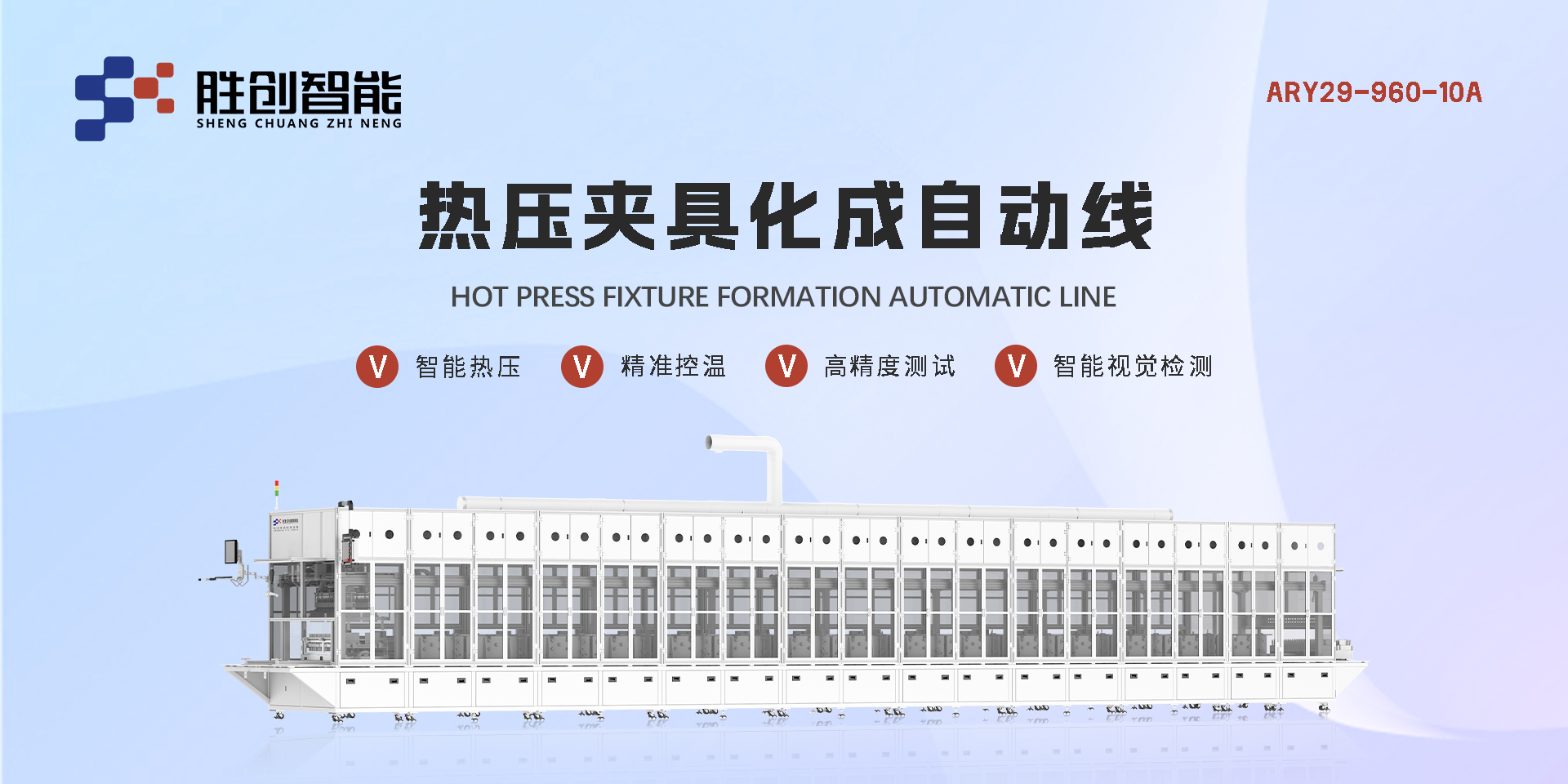
To address the new national standards' requirements for fast-charging compatibility and battery pack management, equipment employs dynamic parameter simulation technology to provide solutions for enterprises. In fast-charging tests, the equipment can simulate voltage fluctuations under a 5kW ultra-fast charging protocol, detecting the cell's temperature difference control capability when charged to 80% in 20 minutes (e.g., a certain battery's cell temperature difference <5℃). This testing capability helps battery manufacturers optimize their thermal management system designs, ensuring that products can still achieve the lower limit of charging efficiency in -10℃ low-temperature environments.
In terms of battery pack parallel management, multi-cell synchronous detection technology verifies the dynamic balancing capability when new and old batteries are used together. For example, in simulating the parallel scenario of 2-4 battery packs with different cycle counts, the Battery Charge Discharge Tester can monitor the charging and discharging curves of each cell in real time, ensuring that the BMS system achieves intelligent load distribution through dynamic SOP algorithms, thus meeting the new national standards' requirements for the prohibition of non-standard battery packs. The application of pulse formation technology further reduces formation time by over 35% and internal resistance by 5%, providing hardware support for the improvement of fast-charging performance.
Reconstruction of the industrial ecosystem: Data-driven sustainable development.
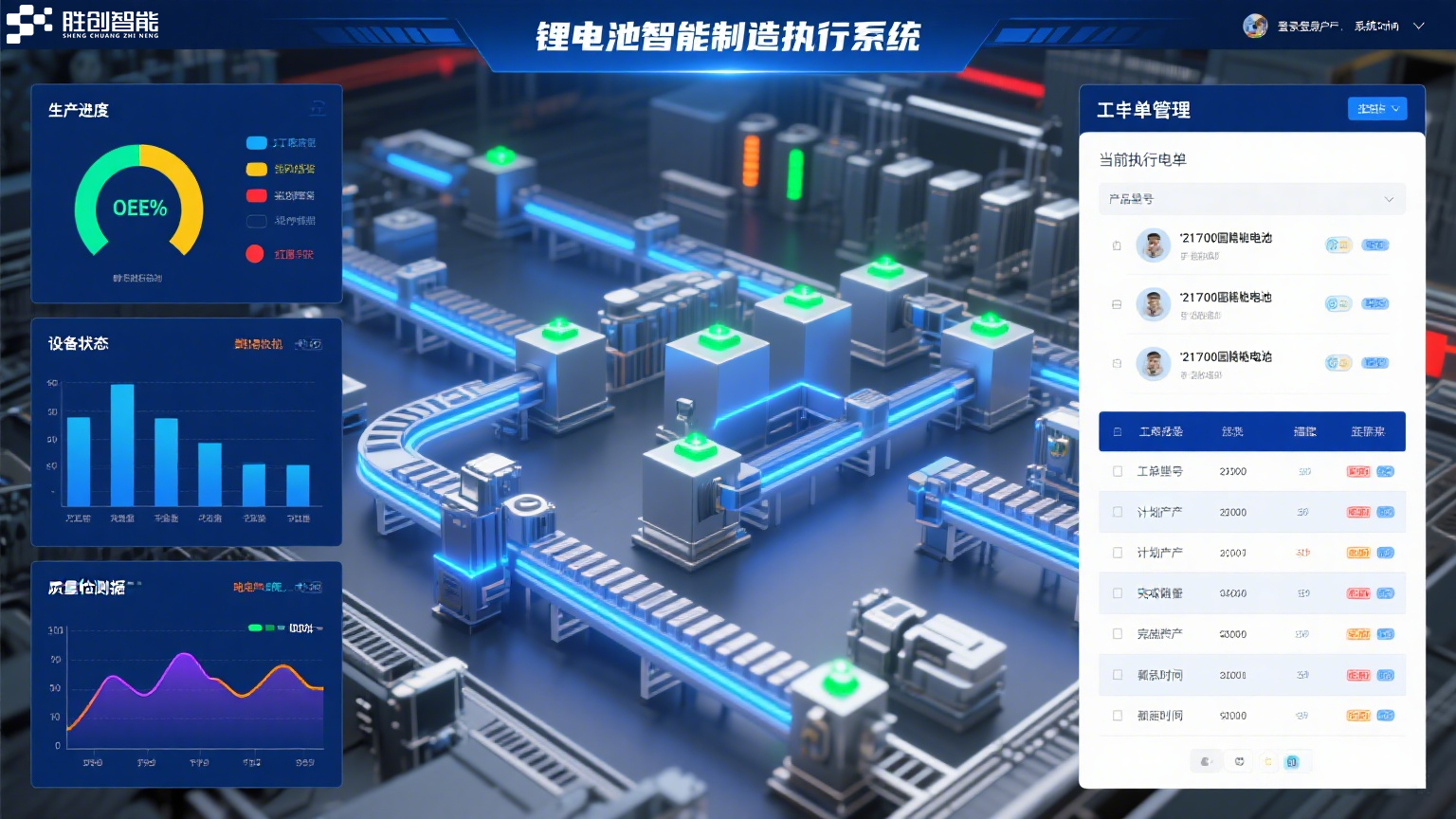
The full-process data traceability system has become the core tool for enterprises to meet the compliance requirements of the new national standards. The formation curves and capacity grading data of each cell are recorded in real time and uploaded to the MES system, forming a unique "digital ID card." This traceability not only meets the new national standards' requirement for unique coding of battery packs but also helps enterprises optimize production processes through data analysis. For example, by analyzing the formation parameters of failed cells in nail penetration tests, enterprises can adjust the charging slope to reduce the risk of battery thermal runaway by more than 50%.
In terms of cost control, the intelligent grading function of the Lithium Cell Grading Machine, which precisely classifies cells based on parameters such as capacity and internal resistance, enables enterprises to flexibly match battery pack configurations according to different application scenarios. For instance, cells with a capacity retention rate of over 95% can be selected for the high-frequency use scenarios of food delivery riders, while standard-grade cells can be used for the daily commuting of ordinary users. This approach not only meets the new national standards but also increases material utilization by more than 15%. It is also worth noting that the energy recovery efficiency of the equipment is as high as 70%, with a standard production line saving over 7 million yuan in electricity costs per year, truly achieving cost reduction on a large scale.
Conclusion
With the full implementation of the new national standards, the two-wheeler lithium battery industry is undergoing a strategic transformation from "scale expansion" to "quality supremacy." Lithium battery formation and capacity testing equipment, with its core advantages in enhancing safety performance, optimizing production efficiency, and enabling data-driven decision-making, has not only become a key tool for enterprises to break through technical barriers but also drives the industry towards higher safety, longer life, and intelligent development. Under the exemplary effect of benchmark products, the intelligent Lithium Ion Battery Tester is helping more enterprises to seize the initiative in the hundred-billion-level two-wheeler lithium battery market and jointly build a new industrial ecosystem for sustainable development.